
tempered laminated safety glass
Understanding Long Gauge Pins Precision Engineering in Measurement In the realm of precision engineering, accuracy is paramount, especially when it comes to measurements that ensure the integrity of manufacturing processes. One of the crucial tools that engineers and machinists rely on is the long gauge pin. This article will explore what long gauge pins are, their applications, advantages, and importance in various industries. What Are Long Gauge Pins? Long gauge pins, often referred to as gauge pins or setting plugs, are precision tools used to measure and align components in manufacturing and assembly processes. Typically made from high-quality steel or other durable materials, these pins feature a cylindrical shape with a precise diameter that is used for measuring hole sizes and ensuring the proper fit between components. The term long refers to the extended length of the pins, which allows them to be utilized in deeper holes and more complex assemblies. Standard lengths can vary, but they generally extend beyond the typical reach of shorter pins, providing additional versatility in measurement applications. Applications of Long Gauge Pins Long gauge pins are utilized across various industries, including automotive, aerospace, electronics, and manufacturing. Their primary applications include 1. Quality Control In production environments, long gauge pins are essential for measuring the internal dimensions of machined components. They help in assessing whether parts meet specified tolerances. 2. Tool Setup Machinists use these pins to set up tools and fixtures accurately. By inserting a long gauge pin into a hole, they can ensure that tools are correctly aligned and adjusted, thus reducing the risk of errors during machining operations. 3. Assembly Verification In assembly lines, long gauge pins are used to verify the fit and alignment of parts. This is particularly important in complex assemblies, where any misalignment can lead to functional issues. 4. Gage Blocks Long gauge pins can be employed alongside gage blocks, serving as calibration tools in the assessment of precision instruments. This ensures that measurement tools remain accurate over time. long gauge pins Advantages of Using Long Gauge Pins The use of long gauge pins in manufacturing and engineering offers several advantages - Precision and Accuracy Long gauge pins are manufactured to high tolerances, which means they provide reliable measurements. This precision is essential for ensuring that parts fit together correctly in assemblies. - Versatility Their extended length allows long gauge pins to be used in a variety of applications, making them suitable for different industries and processes. - Durability Made from robust materials, these pins can withstand the rigors of industrial environments, ensuring a long service life with minimal wear. - Ease of Use Long gauge pins are generally straightforward to utilize, making them an accessible tool for both seasoned professionals and those new to precision engineering. Importance in Different Industries In the automotive industry, long gauge pins play a critical role in ensuring that engine components and assembly parts fit together with the necessary precision. In aviation, where safety is paramount, these tools help maintain stringent quality control standards. In electronics manufacturing, accurate measurements are vital for ensuring that components function correctly, reducing the likelihood of defects. Furthermore, the ever-growing trend towards automation and precision manufacturing underlines the necessity for tools like long gauge pins. As machines become more advanced and integrated with technology, the need for accuracy in measurements becomes even more crucial. Conclusion Long gauge pins are an indispensable tool in the world of precision engineering and manufacturing. Their ability to provide accurate measurements, ensure proper alignment, and contribute to quality control makes them invaluable in various industries. As technology continues to evolve, the importance of such precise tools will only grow, underscoring the need for high-quality engineering practices. Whether in automotive assembly, aerospace manufacturing, or high-tech electronics, long gauge pins will remain a cornerstone of precision measurement and engineering excellence.
about
tempered laminated safety glass
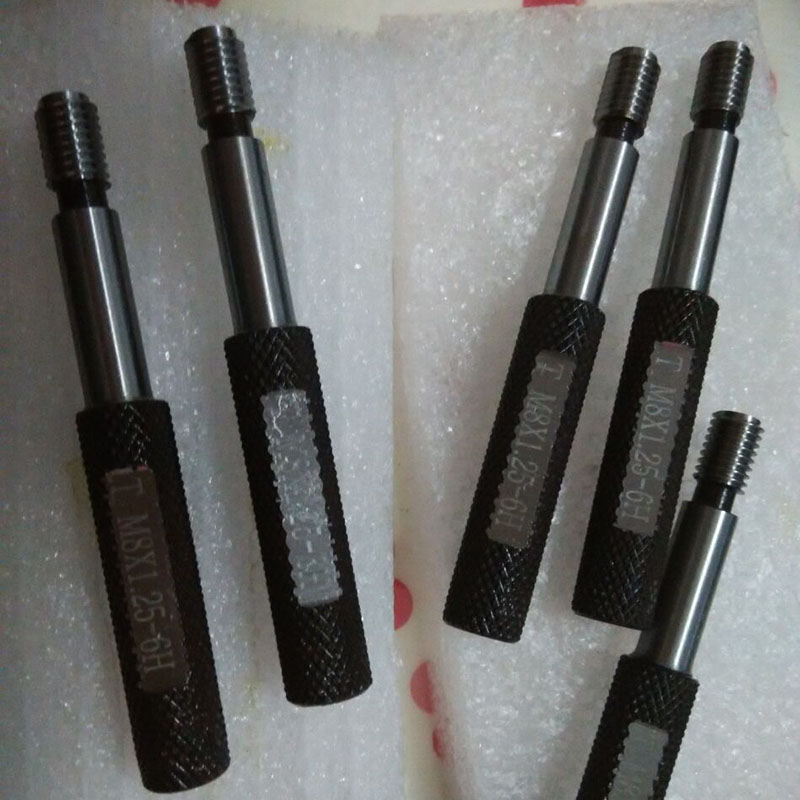
Understanding No-Go Pin Gauges Precision in Measurement In the realm of manufacturing and engineering, precision is critical. One essential tool that plays a significant role in ensuring that parts meet specific dimensions is the no-go pin gauge. This article delves into what no-go pin gauges are, their applications, and the significance of precision in measurement. What is a No-Go Pin Gauge? A no-go pin gauge is a specific type of measurement tool used to check whether a hole or other internal feature meets predetermined specifications. It is part of a larger family of pin gauges that also includes go gauges. While a go gauge is used to verify that a feature is within the acceptable limits, the no-go gauge serves to ensure that a feature is not larger than its maximum allowable dimension. The no-go pin gauge is characterized by its slightly larger diameter compared to the corresponding go gauge. When using a no-go gauge, if the gauge fits into the hole or feature being measured, it indicates that the dimension is out of tolerance, meaning the part fails inspection. Conversely, if the no-go gauge does not fit, the part is considered acceptable. Applications of No-Go Pin Gauges No-go pin gauges have a wide range of applications across various industries, including automotive, aerospace, and manufacturing. They are particularly useful in scenarios where consistent precision is paramount, such as in the following applications 1. Quality Control In manufacturing, quality control departments use no-go gauges as part of their inspection processes. By employing these gauges, they can quickly ascertain whether production parts conform to design specifications, thus preventing faulty parts from moving through the production line. 2. Assembly Processes No-go gauges ensure that components fit together correctly during assembly. For instance, if a hole is too large for a no-go pin gauge, it may cause issues during assembly, leading to weakened structures or improper functioning. no go pin gauge 3. Maintenance and Repair In sectors like aerospace and automotive, maintenance crews utilize no-go gauges to check tolerance levels of various components. This ensures that parts are not only within acceptable tolerances but also safe for operation. 4. Toolmaking In tool and die making, creating precise components is essential. No-go gauges are used to verify that dies and molds remain within tolerance over time, ensuring that they produce consistent parts. The Importance of Precision Precision in measurement is vital for several reasons. First, it helps maintain the safety and functionality of the final products. A slight deviation from the specified dimensions can lead to severe consequences, especially in critical components like those found in airplanes or medical devices. Secondly, precision enhances efficiency. When parts fit correctly, there is less likelihood of rework or scrap, which can be costly and time-consuming. By employing no-go gauges, manufacturers can reduce the risk of producing out-of-tolerance parts, saving resources and improving productivity. Lastly, precision measurement tools like no-go pin gauges help build customer trust and satisfaction. Products manufactured to precise specifications are more likely to meet customer expectations, which is essential for maintaining a competitive edge in today’s market. Conclusion In summary, no-go pin gauges are integral tools in modern manufacturing and engineering. They play a crucial role in quality control, assembly, maintenance, and tool-making processes by ensuring that components meet predetermined specifications. The importance of precision cannot be overstated, as it directly impacts safety, efficiency, and customer satisfaction. By understanding and effectively utilizing no-go pin gauges, industries can foster a culture of quality and precision, leading to better products and enhanced operational success.
-

High quality industrial productsagement

High quality industrial products
View Details -

Meet the diverse needs of customers

Meet the diverse needs of customers
View Details -

Strict quality control

Strict quality control
View Details -

Top raw materials

Top raw materials
View Details -

Trusted supplier

Trusted supplier
View Details
Our application

news and information
y type strainer valve
Understanding Y-Type Strainer Valves An Essential Component for Fluid Systems Y-type strainer valves

What Are the Three Types of Control Valves_
Control valves play a crucial role in various industrial processes, regulating the flow of fluids to

Water Control Valve - Precision Flow Management Solutions
Understanding Water Control Valves A Key Component in Fluid Management Water control valves are esse
 English